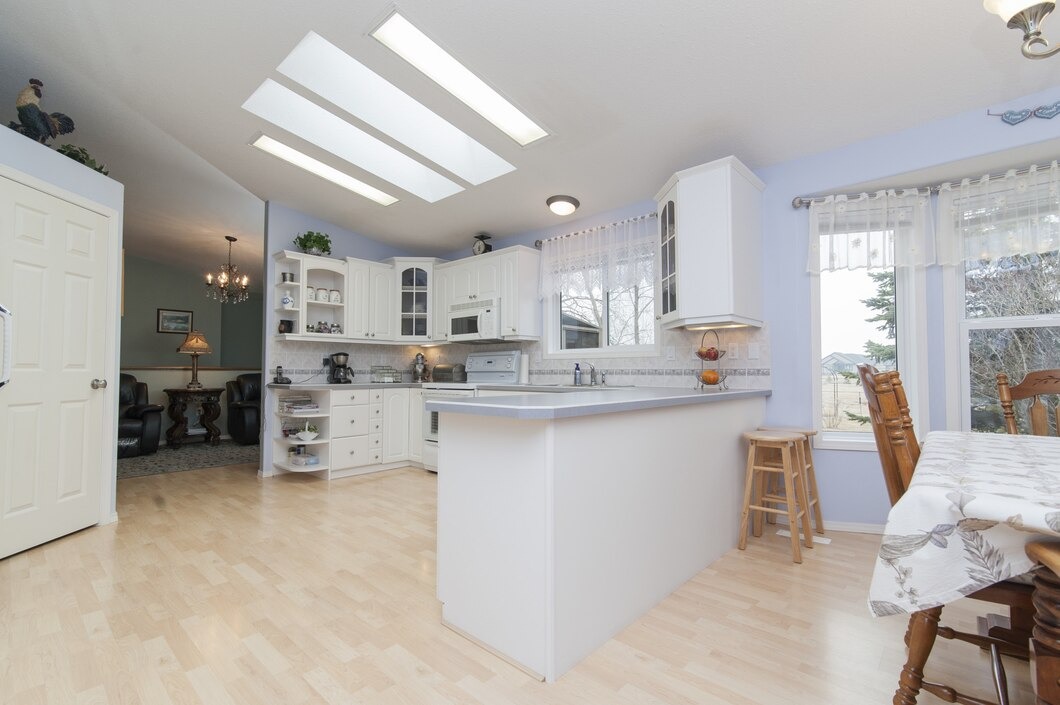


The kitchen is often called the heart of the home, but in a London household, it serves many purposes. It’s a place where you prepare Sunday roasts while children do their homework, and where friends gather for coffee and chats.
Since the kitchen is so important in daily life, jumping right into choosing cabinet colours or marble patterns can be a mistake.
Research shows that about 22% of homeowners who remodel their kitchens regret not spending enough time on planning and layout first.
This is significant because a kitchen renovation is a big investment. Mistakes made in the early stages can lead to problems that are hard and costly to fix once everything is installed.
At Kitchens By Prestige, we help guide you through these choices by creating custom layouts and high-quality finishes that ensure your new kitchen is both functional and beautiful.
Practical Steps to Consider Before Remodelling Kitchen
Here are the eight practical steps to consider before remodelling your kitchen:
Step 1: Evaluate Your Current Movement and Flow
Before you look at any brochures, spend a week observing how you use your current kitchen. Pay attention to your movements between the fridge, sink, and cooker. This area, often called the working triangle, is crucial in kitchen design. If these three points are too far apart, cooking can feel like a marathon. If they are too close, you might feel cramped.
According to a recent report from Resi, about 6.25 million UK homes have open-plan living spaces. This shows that many modern homeowners prefer a more connected and flowing layout over separate, closed rooms.
In many London homes with limited space, consider how many people will be in the kitchen at once. If you often host dinner parties or have a large family, ensure the main paths are wide enough. It can be very frustrating to stop cooking every time someone needs to get to the fridge.
A well-planned redesign should think about these pathways to create smooth movement in the kitchen.
Step 2: Prioritise Smart Storage Over Surface Area
It’s tempting to want spacious, open worktops. However, without enough storage, these surfaces can quickly fill up with kettles, toasters, and spice jars.
When planning your kitchen remodel, consider custom storage solutions to keep things tidy. Deep drawers are more useful than traditional cupboards because they let you see everything easily, so you won’t have to search for a lost saucepan on the floor.
Tall larder units are also a great option for modern UK homes. They create a dedicated space for dry goods and small appliances, helping your kitchen stay well-organised and clean. By designing your storage around what you actually own, you can ensure every part of your new kitchen is functional.
This way, you won’t need extra furniture later, which can disrupt the sleek look for a well-designed space.
Step 3: Consider Lighting Layers for Different Times of Day
Lighting is often overlooked in kitchen renovations, but it dramatically affects the room’s mood. A good design includes a range of lighting for different tasks. You need bright, focused lighting over food preparation areas and even cooking surfaces to work safely. Without it, you might find yourself chopping vegetables in the shadows.
Ambient lighting is also vital when you finish cooking and want to eat or relax. Dimmable lights over an island or under-cabinet LED strips can change a bright workspace into a warm, inviting area.
If your kitchen has large windows or skylights, plan your layout to take advantage of natural light, especially in the morning. Using light well can make even a small kitchen feel more spacious and airy.
Step 4: Update Access Privacy and Security Measures
Redesigning a kitchen often changes how people move through and access their home, particularly when layouts are opened up or new doors are introduced.
Specialists at Barry Bros Security note that existing security systems are frequently left unchanged during renovations, even though shifts to access points and daily routines can affect how well they function.
Reviewing security as part of the planning stage helps ensure systems continue to suit how the home is actually used.
If you are remodelling and plan to install bifold doors or a new side entrance, think about how these changes will affect your privacy and the safety of your property. For example, a larger glass area may offer breathtaking views of the garden, but it might also require new window sensors or better locks.
By considering these practical factors early in your design, they will blend smoothly into the kitchen rather than feel like an uneasy addition at the end of the project.
Step 5: Select Materials That Age Gracefully
When designing your kitchen, it’s essential to choose materials that can handle daily use. Natural stone can look beautiful, but some types are porous and may stain easily from spills like red wine or lemon juice. If you want the elegance of marble without the maintenance, use high-quality quartz or porcelain worktops instead.
For flooring, think about durability and water resistance. In a UK kitchen, the floor needs to withstand dropped pots and muddy paws. Timber floors bring warmth, but they need more care than luxury vinyl tiles or natural stone.
By choosing materials that age well, your kitchen will stay attractive for years to come.
Step 6: Plan for Future Technology and Power Needs
The way we use technology in the kitchen is always changing. When remodelling, think beyond just a spot for the microwave. Consider where you will charge your phone or use a tablet for recipes. You can add hidden charging stations in drawers or pop-up sockets on the island to keep cables out of sight and maintain a clean look.
Also, think about the power needs of modern appliances. Built-in ovens, wine coolers, and boiling water taps all require their own connections. It’s easier and cheaper to install these cables while the walls are open than to add them later. A detailed electrical plan will help avoid unsightly extension leads and prepare your kitchen for future gadgets.
For clearer insights into managing your renovation, take a look at this practical guide that explains socket placement and UK wiring safety standards.
Step 7: Focus on Ventilation and Air Quality
In many London homes, open-plan living is well-known. This style creates an incredible feeling of space, but it can also let cooking smells and steam spread into your living and dining areas. To keep the air clean and protect your furniture from unpleasant odours, it is essential to invest in a high-quality extraction system.
Modern extractors come in various designs, such as sleek ceiling hoods or downdraft models that hide behind the hob. When choosing a system, pay attention to the noise level and the power. You want a fan that is powerful enough to clear the air, but quiet enough for you to have conversations or watch TV in the next room.
Good ventilation also prevents moisture buildup, which is vital for keeping your cabinets and walls in good condition.
Step 8: Define Your Real Life Budget and Contingency
A kitchen remodel is a big project, so it’s important to be clear about your budget from the start. High-quality designs and premium finishes can be expensive, so it’s helpful to research the costs of your must-have items early. In this way, you can prioritise your spending on what matters most to you.
It’s also smart to set aside a contingency fund of at least 10%. Older properties can reveal unexpected issues, such as outdated plumbing or uneven floors that need fixing.
Having a financial cushion means these surprises won’t stop your project or force you to settle for lower quality. A well-planned budget helps keep the design process exciting and creative instead of stressful.
Final Thoughts on Your Kitchen Project
A holistic approach to your kitchen remodel goes beyond just choosing the colour of the doors or the style of the taps. It involves thinking about how you move around the space and how you plan to use it for years. In this way, you can create a kitchen that truly improves your home.
A successful redesign meets your practical needs while also being beautiful, making the space feel personal and lasting.
By focusing on premium materials and careful planning, your new kitchen can become a source of joy and a testament to great design.
If you are ready to elevate your project further, explore our remodelling guide for design upgrades that can help your space feel truly premium.